

About Triqis
Studio
Triqis is a London-based design studio creating furniture and lighting defined by intention, material honesty, and enduring form. Founded by designers Kwaku Boateng and Erwan Le Bozec, the studio brings together cultural narrative, refined craftsmanship, and a commitment to quality and sustainability. Working across limited studio pieces and bespoke commissions, Triqis approaches design as both a functional discipline and a cultural practice.
Design Philosophy
At Triqis, we design objects intended to endure, materially, culturally, and emotionally.
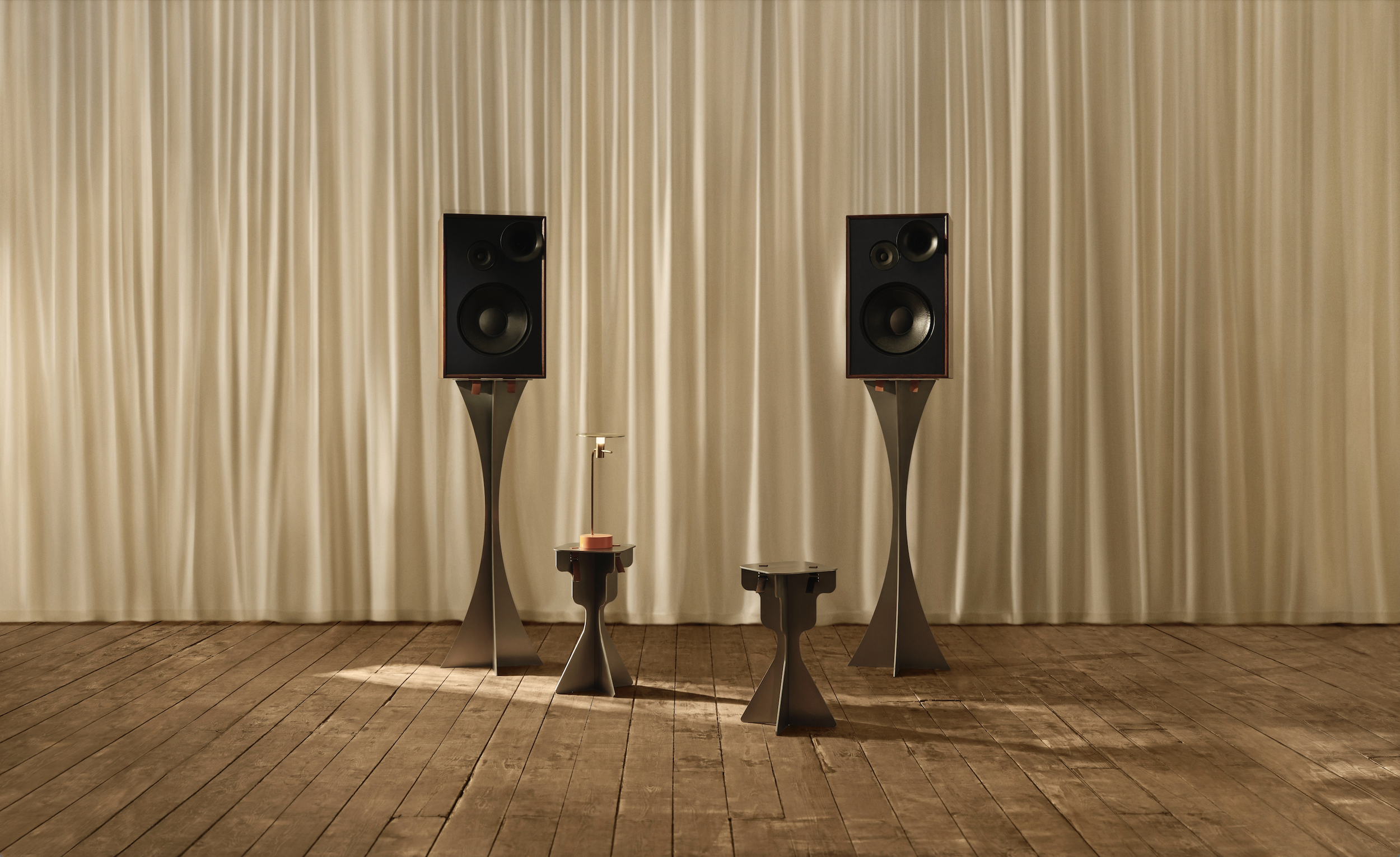
Every piece is purpose-driven. Nothing is arbitrary. Each line, joint, and surface is shaped with intention, designed to age with dignity and gather character through time rather than lose it. We work with honest materials chosen for their longevity: robust metals refined through precise fabrication, surfaces that express strength with restraint, and leathers that soften and deepen with use, marked by life, yet faithful to their purpose.
Our work reveals its complexity quietly. Each piece is a considered assembly, refined but never over-explained, leaving space for curiosity and admiration. Light is treated as a medium of atmosphere and connection, gentle, controlled, and intentional, shaping moments, conversations, and shared experience.
The forms we create are informed by stories that predate us, histories carried through generations, through culture, memory, and blood. These influences guide our approach to proportion, balance, and presence, grounding each design in something deeper than trend or moment.
Every Triqis piece is created not simply to be owned, but to be experienced. To belong to a space, and to the people who inhabit it. Through design, we seek to create objects of substance, offering meaning where there is excess, clarity where there is noise, and imagination where it has faded.
Designers
Kwaku Boateng
Kwaku Boateng is a British furniture and lighting designer whose work proposes a distinct notion of cultural elegance, informed by both British and West Indian heritage. His practice is guided by material integrity and environmental responsibility, frequently exploring environmentally conscious casting processes alongside hard metals.
Growing up between cultures, with formative years spent immersed in the natural landscapes and diverse heritage of Trinidad, Kwaku’s work reflects a balance of strength and refinement. These influences are interwoven with quintessentially British sensibilities, shaped by family legacy and a life rooted in London, the city where his story began.
Erwan Le Bozec
Erwan Le Bozec’s journey began in the coastal town of Quimperlé, France, born to a Breton fisherman father and a Parisian painter mother. Raised among ancient Celtic traditions, coastal labour, and rural craft, he developed an early passion for making, tinkering, and creation.
A defining shift occurred when his family relocated to Iceland, a landscape of extremes where ancient tradition meets ultra-modern architecture and progressive design thinking. This contrast ignited a lasting curiosity around the relationship between heritage and innovation.
Erwan later moved to the United Kingdom to study industrial design engineering and business, where he met Kwaku. After graduating, he joined one of Italy’s most esteemed lighting manufacturers, refining his approach to technical precision, uncompromising design, and the pursuit of meaning. This period helped shape the design language and ethos that define his work today.
Recognition & Exhibitions
Triqis has received international recognition for its work, with publications including Dezeen, Monocle, Darc Magazine, The World of Interiors, Design Milk, and House & Garden. The studio’s work has been showcased at the Design Museum, the London Design Festival, and other respected institutions dedicated to contemporary design.
In 2024, the founders were recognised by Condé Nast as part of their Top 25 Rising Stars, highlighting Triqis as a studio shaping the future of furniture and lighting design.
Triqis’s story is one of evolution, contrast, and cultural dialogue, defined by curiosity, restraint, and the belief that well-made objects can carry meaning across generations.


